

Testing & Procedures
Vein conditions, such as varicose veins and spider veins, are often signs of underlying circulatory issues that can lead to symptoms, not just cosmetic concerns. At Medicor, our cardiology team provides comprehensive vein evaluation and treatment as part of a broader focus on cardiovascular and vascular health.
Using advanced diagnostics and minimally invasive treatment options, we help improve circulation, relieve symptoms, and support long-term vascular function.
Understanding Vein Health
Healthy veins are essential to proper blood flow returning to the heart. When valves within the veins weaken or fail, blood can pool in the legs instead of returning efficiently to the heart. This condition, known as venous insufficiency, can lead to:
Without treatment, vein disease can worsen over time and continue to impact comfort, mobility, and circulation.

Medical Evaluation
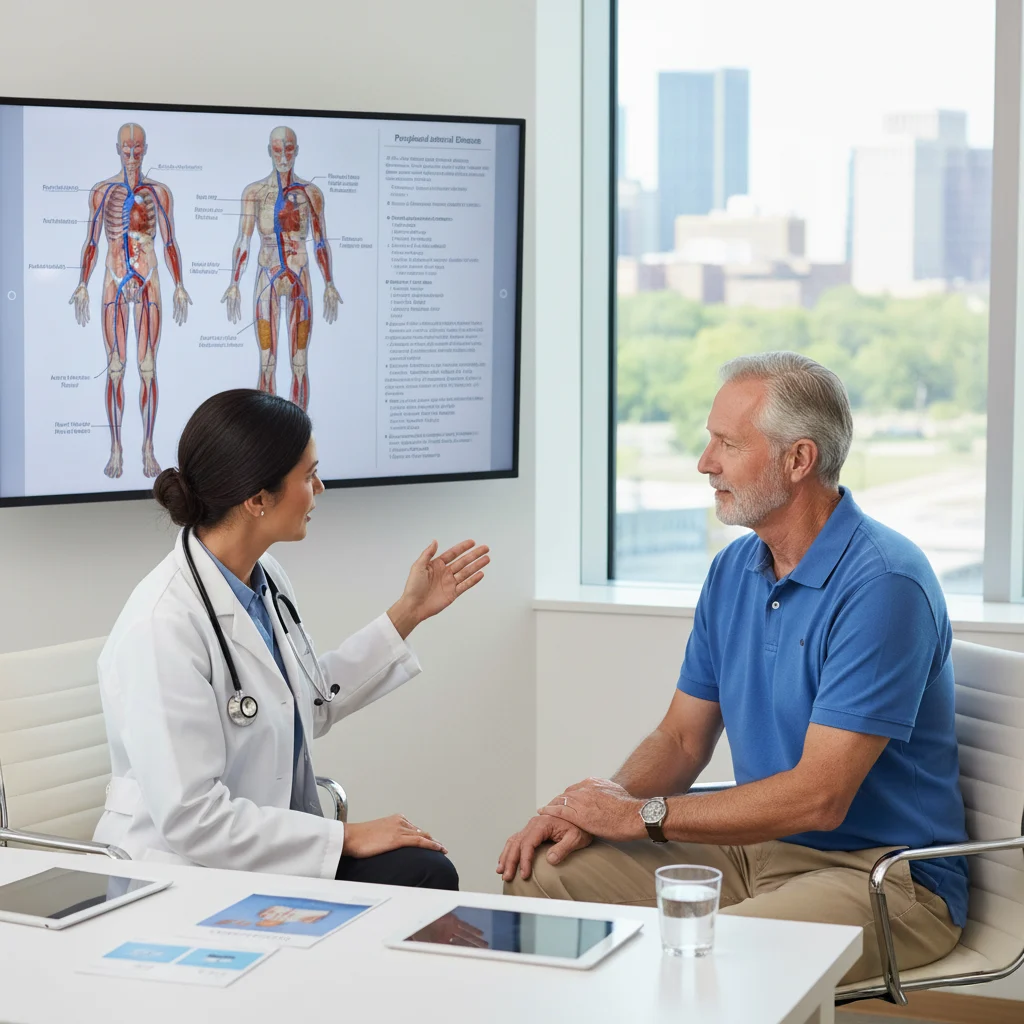
Because vein health is closely connected to cardiovascular health, Medicor approaches vein care from a medical and diagnostic perspective. After a consultation with one of the Medicor vein specialist physicians, each patient begins with a comprehensive vascular evaluation that may include ultrasound imaging to assess:
This thorough evaluation allows our providers to develop a personalized treatment plan based on medical need and relief of symptoms, not aesthetic/cosmetic goals alone.
Minimally Invasive Care
Medicor offers a range of outpatient vein treatments designed to relieve symptoms, improve circulation, and support vascular health. All procedures are minimally invasive and performed in a comfortable clinical setting.
Endovenous laser therapy treats malfunctioning veins using targeted laser energy delivered through a small catheter. The affected vein is closed, allowing blood to reroute through healthier veins and improving circulation.
Radiofrequency ablation uses controlled thermal energy to close diseased veins and restore healthy blood flow. This treatment is commonly used for patients experiencing leg pain, swelling, or heaviness due to venous insufficiency.
Sclerotherapy is used to treat smaller varicose veins and spider veins by injecting a specialized liquid solution into the affected vein. The vein gradually closes and is absorbed by the body over time.
For larger surface veins, ambulatory phlebectomy allows removal through very small skin punctures. This procedure is performed under local anesthesia and typically does not require stitches.
Signs & Symptoms
You may benefit from a vein evaluation if you experience:
Early diagnosis and treatment can help prevent progression and support long-term circulatory health.


Why Medicor
As a cardiology practice, Medicor provides vein care within the context of overall cardiovascular health. Our approach ensures:
Our goal is to relieve symptoms, improve circulation, and help patients maintain an active, healthy lifestyle.
Contact Us
If leg pain, swelling, or vein issues are affecting your quality of life, Medicor’s cardiology team is here to help. Schedule a consultation to learn more about your vein health and available treatment options.
Call Medicor today or request an appointment online.
You may want to schedule a vein evaluation if you experience leg pain, swelling, heaviness, fatigue, or visible varicose or spider veins. Symptoms that worsen throughout the day or interfere with daily activity may indicate an underlying circulatory issue.
A vein evaluation typically includes a consultation and ultrasound imaging to assess venous blood flow, valve function, and overall circulatory health. This information helps your provider determine the cause of symptoms and appropriate next steps.
Treatment options vary based on individual needs and may include minimally invasive outpatient procedures such as laser or radiofrequency ablation, sclerotherapy, vein closure systems, or vein removal techniques. Your care plan is based on medical evaluation and symptom relief.
Most vein treatments are performed on an outpatient basis and involve minimal downtime. Many patients return to normal activities shortly after treatment, with specific recovery guidance provided by the care team.