

Testing & Procedures
Vascular testing is a noninvasive way to evaluate the health of your blood vessels and detect circulatory conditions such as Peripheral Arterial Disease (PAD), aneurysms, or blood clots. These studies help identify narrowing, plaque buildup, and early signs of atherosclerosis before they lead to symptoms such as claudication (leg pain with exertion) or reduced circulation. Medicor Cardiology offers comprehensive vascular imaging to assess blood flow and identify blockages before complications develop.
Overview
Vascular testing uses ultrasound and pressure-based studies to assess the condition of your arteries and veins. These exams help detect narrowing, blockages, or abnormalities caused by conditions such as atherosclerosis, hypertension, venous insufficiency, and Peripheral Arterial Disease (PAD).
At Medicor Cardiology, vascular imaging is an essential tool in identifying problems such as carotid artery stenosis, renal artery narrowing related to uncontrolled hypertension, and early PAD that may cause claudication or reduced blood flow to the legs.
Our Approach
Our vascular lab provides a full range of ultrasound and pressure-based tests that help identify vascular disease and guide treatment, including endovascular intervention when appropriate:
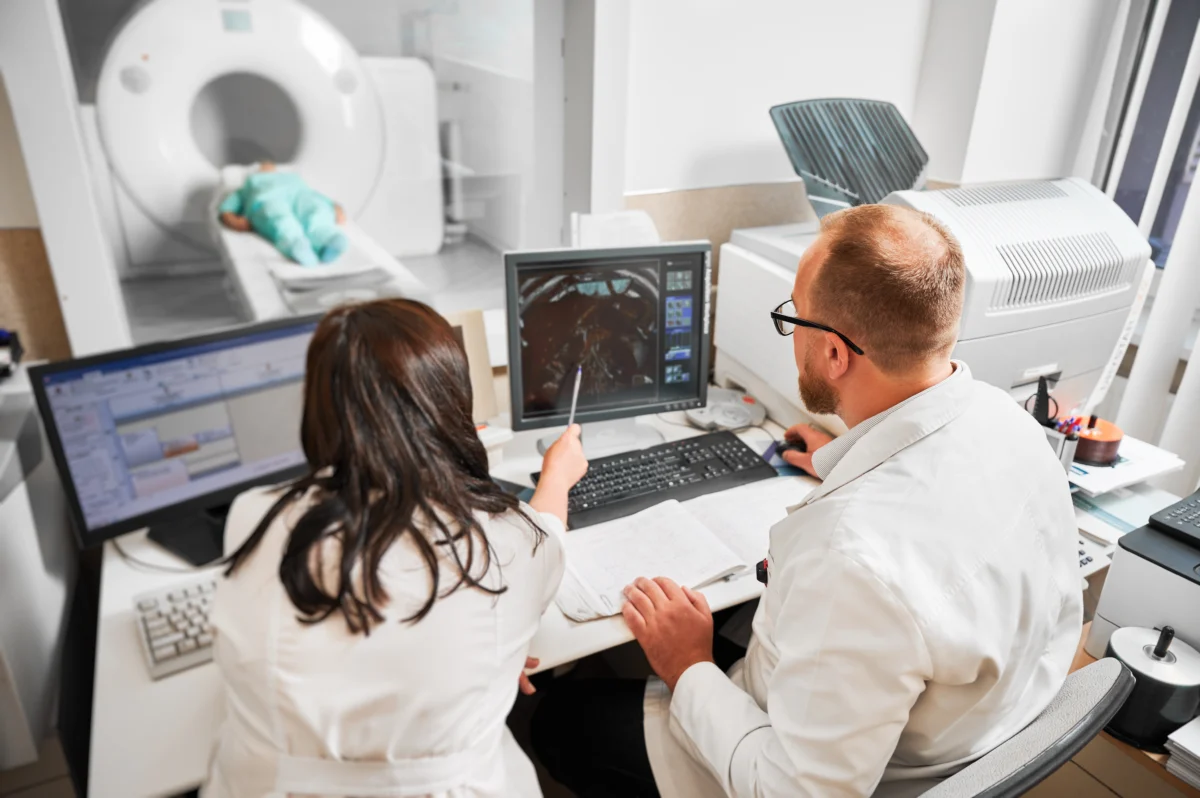
Highlights
Our vascular imaging services provide a clear, noninvasive view of your circulation, giving your cardiologist the insights needed to protect your long-term vascular health.
Our advanced ultrasound systems capture how your heart’s valves move and how blood flows through each chamber.
Ultrasound & Pressure-Based Studies
Carotid, abdominal, renal, venous, and PVR studies for comprehensive vascular assessment.
Contact Us
If you’ve been referred for vascular testing or are experiencing leg pain, swelling, or circulation issues, our vascular imaging specialists are here to help. Schedule your appointment to get a clear view of your vascular health.
Vascular testing helps detect narrowing, blockages, and other abnormalities in your blood vessels. It can also help identify risk for stroke or circulation problems.
No. These tests are completely noninvasive and painless, using only sound waves and gentle pressure cuffs.
In most cases, no special preparation is needed. Your doctor may provide specific instructions depending on the test ordered.
Most procedures take less than 90 minutes and results are reviewed promptly by your physician.