Testing & Procedures
Peripheral Vascular Intervention (PVI) focuses on diagnosing and treating narrowed or blocked arteries outside of the heart, most often in the legs, kidneys, or carotid arteries. Using minimally invasive, catheter-based techniques, Medicor Cardiology’s interventional team helps restore healthy blood flow and relieve symptoms such as leg pain during activity.
Overview
Atherosclerosis can affect arteries throughout the body, leading to Peripheral Arterial Disease (PAD), a condition that restricts blood flow and causes pain, fatigue, or mobility issues.
Medicor’s interventional specialists use targeted endovascular procedures to open blocked arteries and restore circulation, helping patients regain comfort and reduce their risk of serious complications such as ulcers or tissue loss.
Procedures
Peripheral Vascular Intervention may include one or more minimally invasive approaches, depending on the severity and location of the blockage:
Atherectomy: Removes fatty plaque buildup from inside the artery walls to improve blood flow.
Angioplasty: A small balloon is inflated within the artery to widen narrowed sections.
Stenting: A mesh stent may be placed to keep the artery open and maintain circulation.
These procedures can also be performed in the renal (kidney) arteries to help manage high blood pressure, or in the carotid arteries to reduce stroke risk.
Highlights
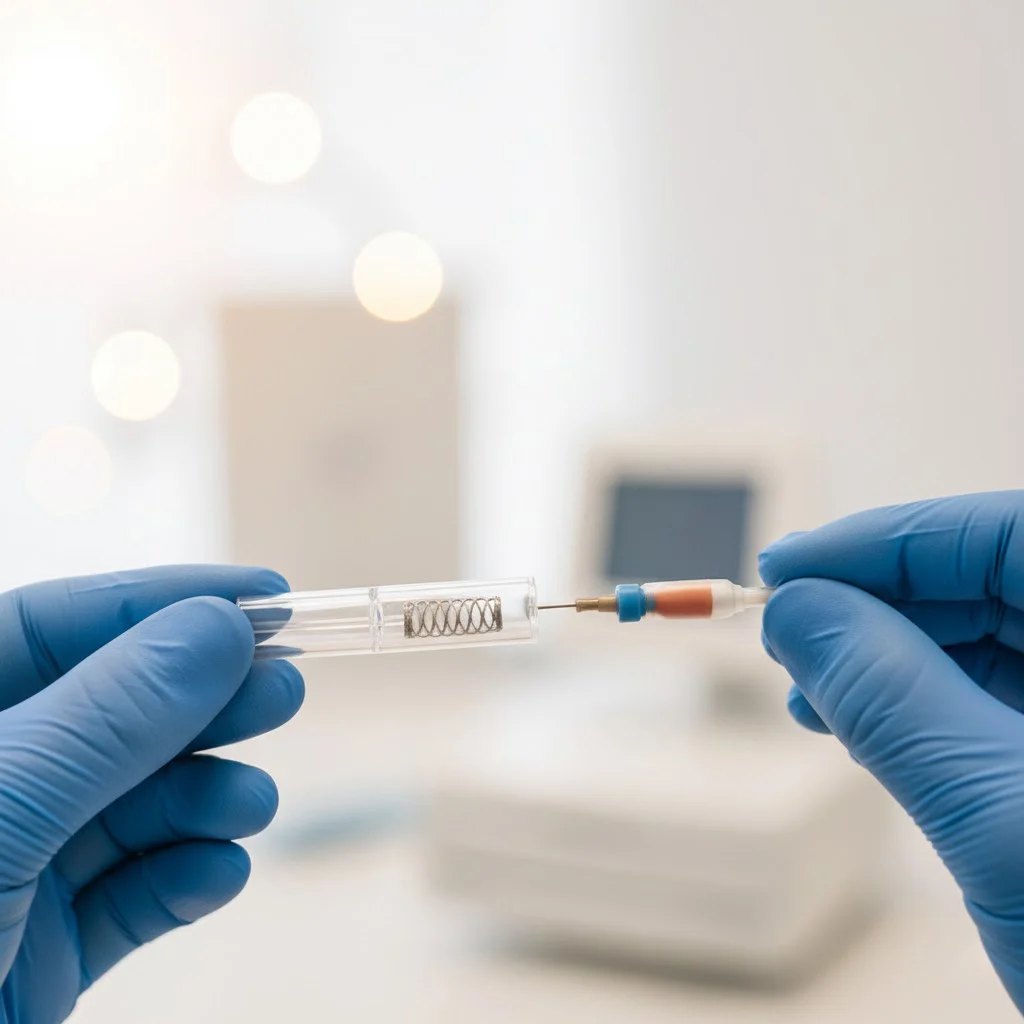
Our specialists use precise imaging and minimally invasive techniques to diagnose and treat vascular disease, improving circulation and quality of life.
Treats narrowed arteries through small catheter access points with faster recovery times.
Image-Guided Endovascular Care
Atherectomy, angioplasty, and stenting may be used individually or in combination for optimal results.
Contact Us
If you experience symptoms such as leg pain during walking or changes in skin color or temperature, schedule a consultation with our cardiology specialists. Early detection and treatment can help prevent complications and improve long-term vascular health.
PAD occurs when plaque buildup narrows the arteries that carry blood to the limbs, usually the legs, causing pain or fatigue during activity.
A catheter is inserted into the affected artery, where specialized tools remove plaque, expand the artery, or place a stent to restore blood flow.
PVI is performed using local anesthesia and sedation. Most patients feel minimal discomfort during and after the procedure.
Recovery time is typically short. Many patients return home the same day and resume light activities within 24–48 hours.